CFCC Graduates Build Careers in Medical Laboratory Technology
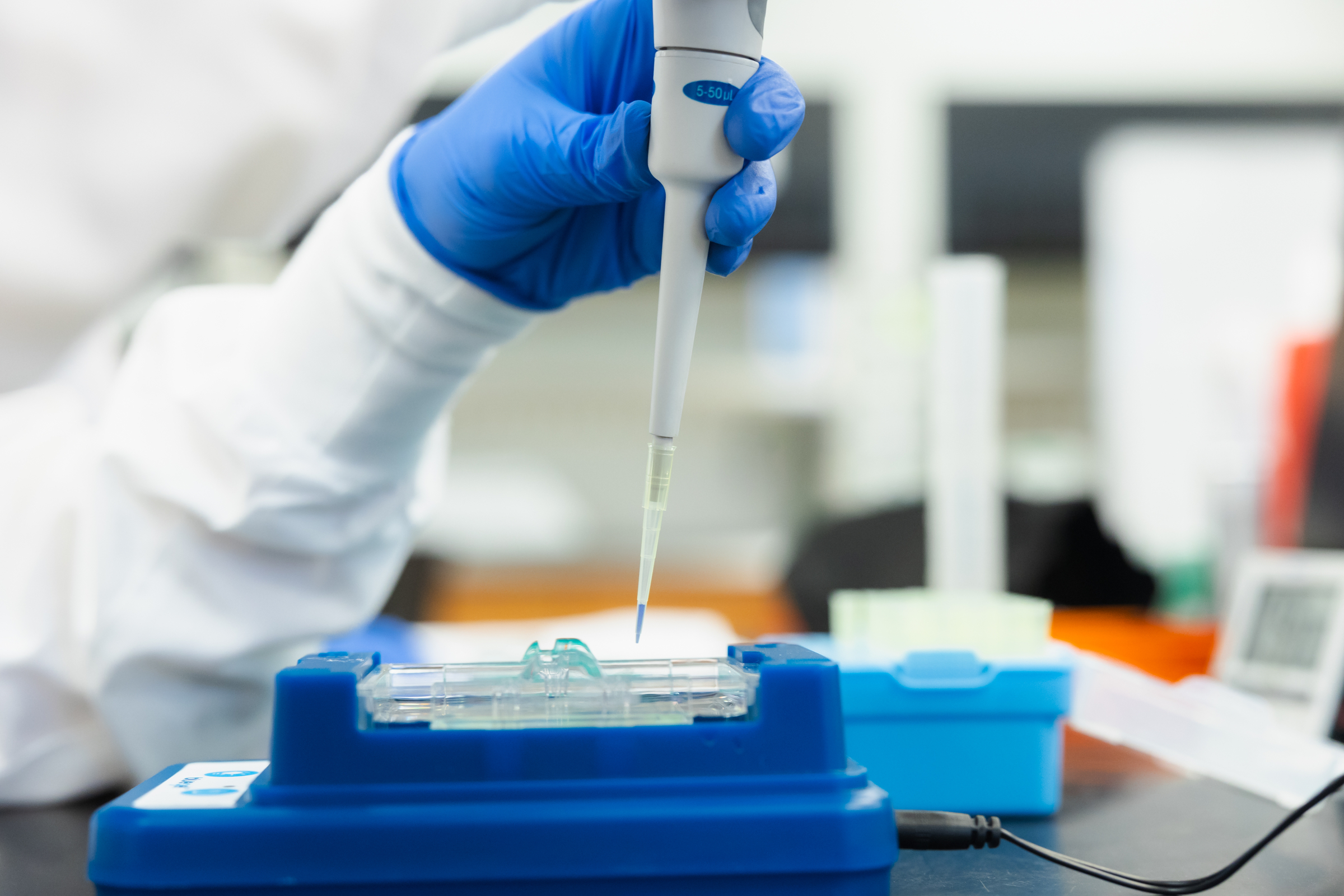
When patients visit a hospital, most expect to see nurses, physicians, and other healthcare professionals. What many don’t realize is that some of the most important work in patient care happens behind the scenes. Medical laboratory professionals analyze blood, urine, tissue samples, and other specimens that help physicians diagnose illnesses, monitor treatments, and make critical medical decisions.
Through Cape Fear Community College’s Medical Laboratory Technology (MLT) program, students gain the knowledge and hands-on experience needed to enter this essential profession. Alumni Luke Grant and Lauren Neciuk put those skills to work at Novant Health New Hanover Regional Medical Center.
Luke Grant
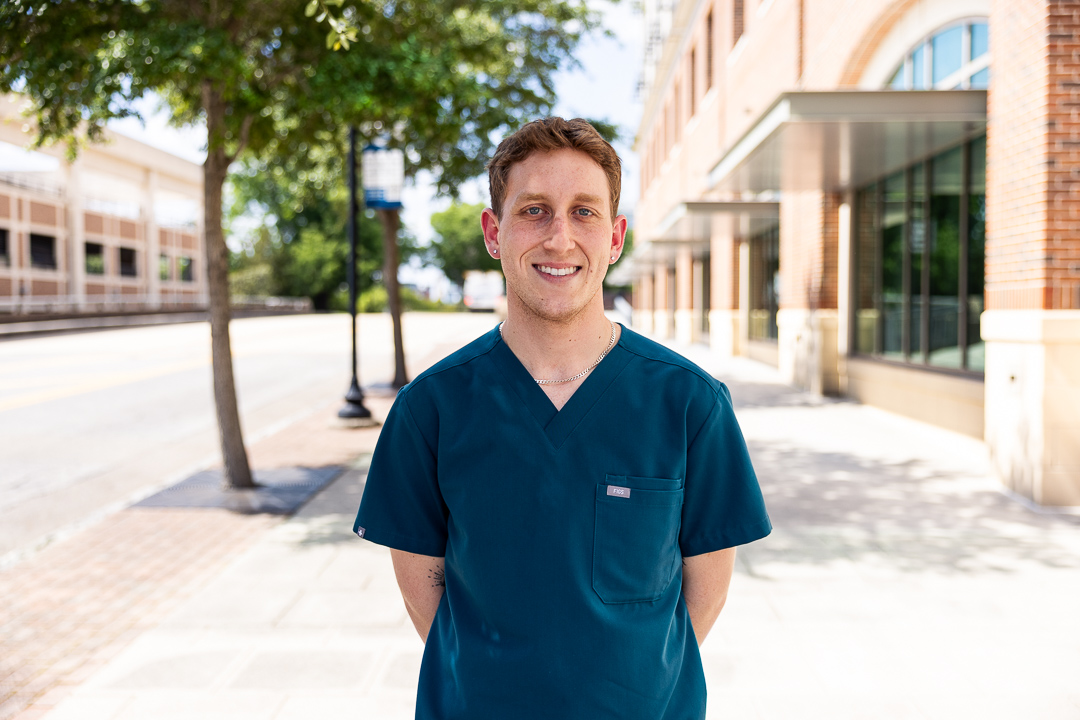
For Grant, a member of CFCC’s inaugural MLT graduating class in 2024, the program offered the perfect combination of healthcare and science.
“I always wanted to work in healthcare, but I didn’t want to work with patients face-to-face,” he said. “I always liked the science part of it, looking at cells and seeing what’s happening in the body.”
His mother, who works in radiology, told him about CFCC’s new Medical Laboratory Technology program. He applied and quickly discovered that the profession was much different from what he had imagined.
“I initially thought lab techs would sit down all day because they’re on computers and microscopes reading slides,” he said. “But it’s not like that at all.”
Instead, Grant found himself working in a fast-paced environment where multitasking is essential.
“It’s not one singular task you’re doing. It’s a lot of multitasking. You’re constantly retrieving and processing samples. When reporting results, you’re always on the phone with doctors and nurses. You’re always on your feet. That was a big eye-opener for me.”
Following graduation, Grant accepted a full-time position at the hospital, where he continues to work today and understands the important role he plays in helping physicians care for patients.
“We analyze what we see and communicate those findings to physicians. They put all the puzzle pieces together, but we’re helping provide the information they need to understand what’s happening inside the body.”
Lauren Neciuk
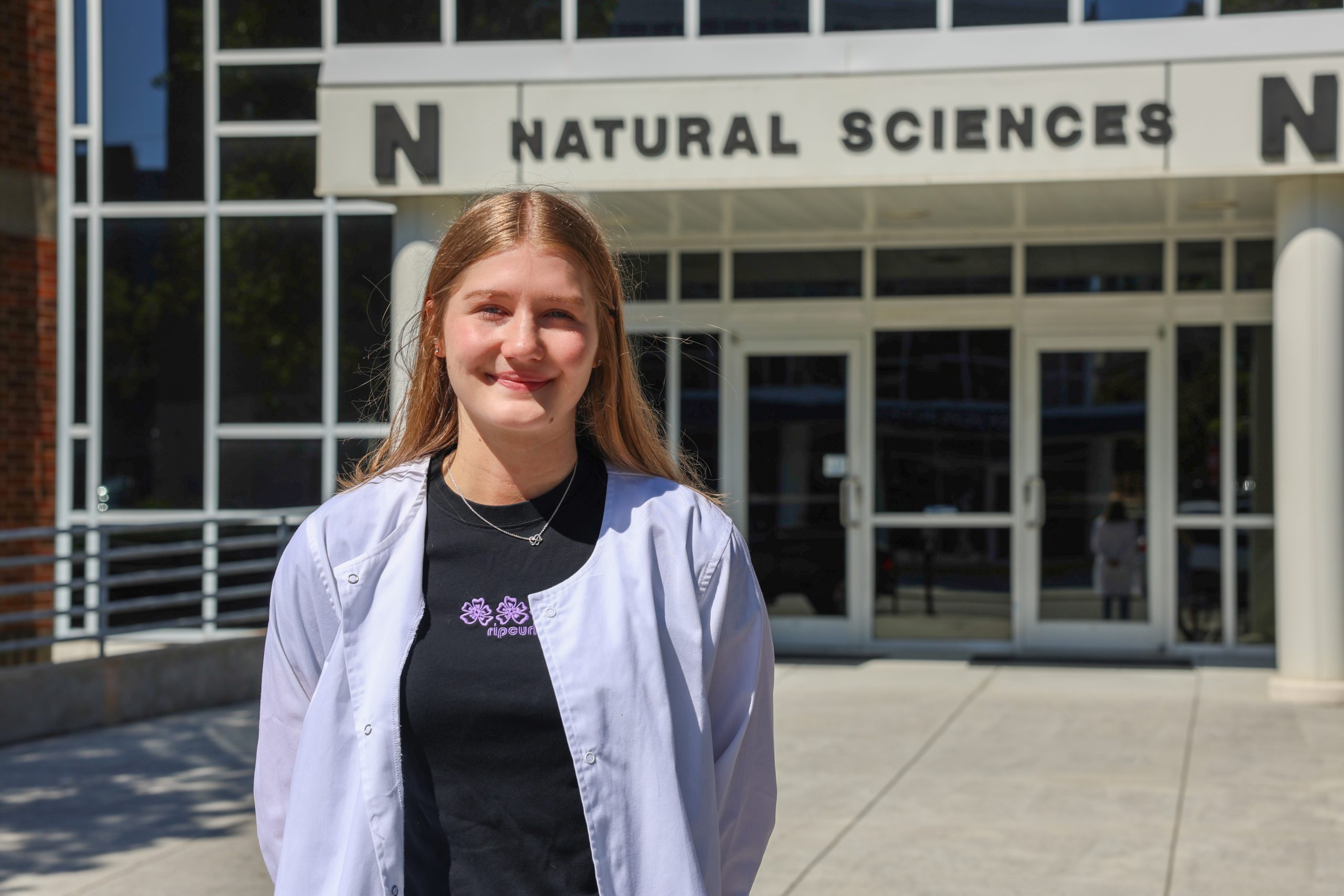
Like many students, Neciuk was unfamiliar with the profession before researching college programs. She knew she wanted a career that combined her strengths in science and math. While exploring programs at CFCC, she discovered Medical Laboratory Technology and immediately felt it was the right fit.
Neciuk credits the program’s hands-on learning environment with preparing her for clinical rotations and, eventually, her current position at Novant Health New Hanover Regional Medical Center.
Like Grant, Neciuk said one of the biggest misconceptions about the profession is that laboratory testing is completely automated.
“A lot of people try to act like it’s completely automated and we just push buttons, but that’s not true,” she said. “There is a lot of manual work, a lot of troubleshooting, and a lot of things you do physically.”
Through her clinical experiences, Neciuk saw firsthand how laboratory professionals contribute to patient care, even when patients never meet them.
“If you go to a hospital and get any fluid taken from your body, blood, urine, stool, anything, we’re the ones testing it,” she said. “We’re the ones looking at it. We are the ones aiding in your diagnosis.”
For Neciuk, helping patients receive answers is why she loves the profession.
“It’s rewarding to finally help them know what’s wrong with them and get answers,” she said.
The clinical partnerships established through CFCC’s MLT program also provided valuable career opportunities. Because laboratory managers worked closely with students during clinical rotations, many graduates secured employment before completing the program.
“We got a really good foot in the door,” said Neciuk. “The lab managers already knew us. They knew our work ethic.”
Medical Laboratory Technology
Both graduates are continuing to build on the foundation they gained at CFCC. Grant plans to pursue a bachelor’s degree and potentially graduate studies in the future. Neciuk is already enrolled in a Medical Laboratory Technician-to-Medical Laboratory Scientist bridge program at Winston-Salem University and expects to complete her bachelor’s degree by the end of the year.
Through CFCC’s Medical Laboratory Technology program, graduates like Grant and Neciuk are helping ensure physicians have the information they need to deliver quality care.
To learn more about CFCC’s Medical Laboratory Technology program, visit cfcc.edu/medical-laboratory-technology.