
CFCC Students Process Artifacts From the 1760s
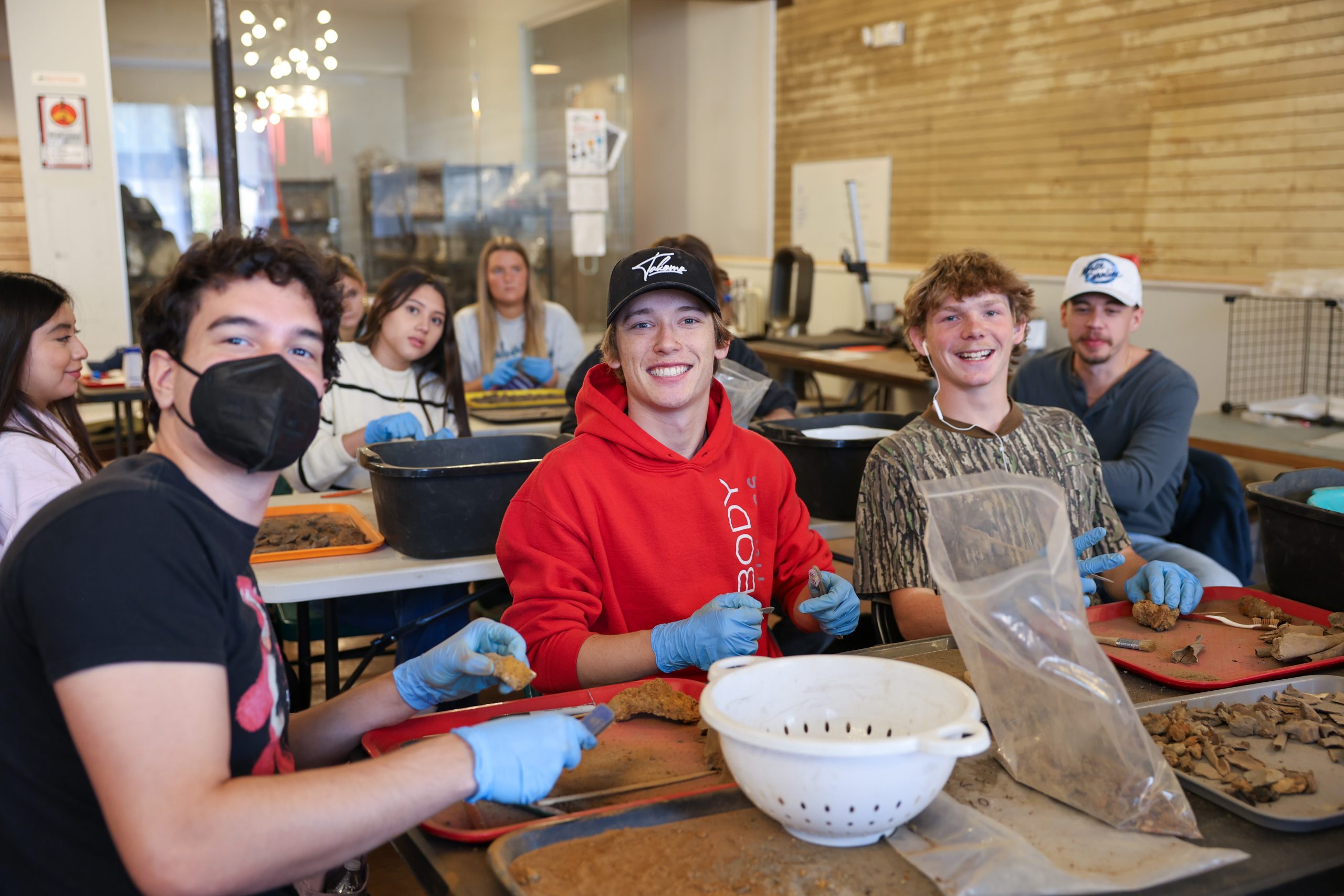
A few blocks from CFCC’s downtown campus, an unassuming alley has been the focus of a long-running archaeology project. For more than five years, the Public Archaeology Corps, a local nonprofit of archaeologists, historians, and volunteers, has been excavating what’s known as the Quince Alley site. Their work has reached about six feet down, exposing remnants that date back to the 1760s.
CFCC Anthropology Instructor Rachel Satzman brought her students to the Corps’ temporary lab for their final exam. Instead of a test, the class helped process the piles of artifacts pulled from the site’s 15 excavation units.
She spotted a call for volunteers and realized she had a perfect solution. “I saw they needed help processing everything and thought, I have manpower. And we can walk here. It’s one of the most unique lab situations we have in North Carolina.”
For her, the value of this kind of work goes far beyond finding interesting objects.
“We uncover the decisions past communities made about land use, city planning, water management, and disaster response. How did they prevent flooding? How did they rebuild after fires? What systems failed, and which ones endured? These discoveries allow us to avoid repeating past mistakes while preserving the practices that proved resilient and wise.”
A CFCC Alum Finds His Path
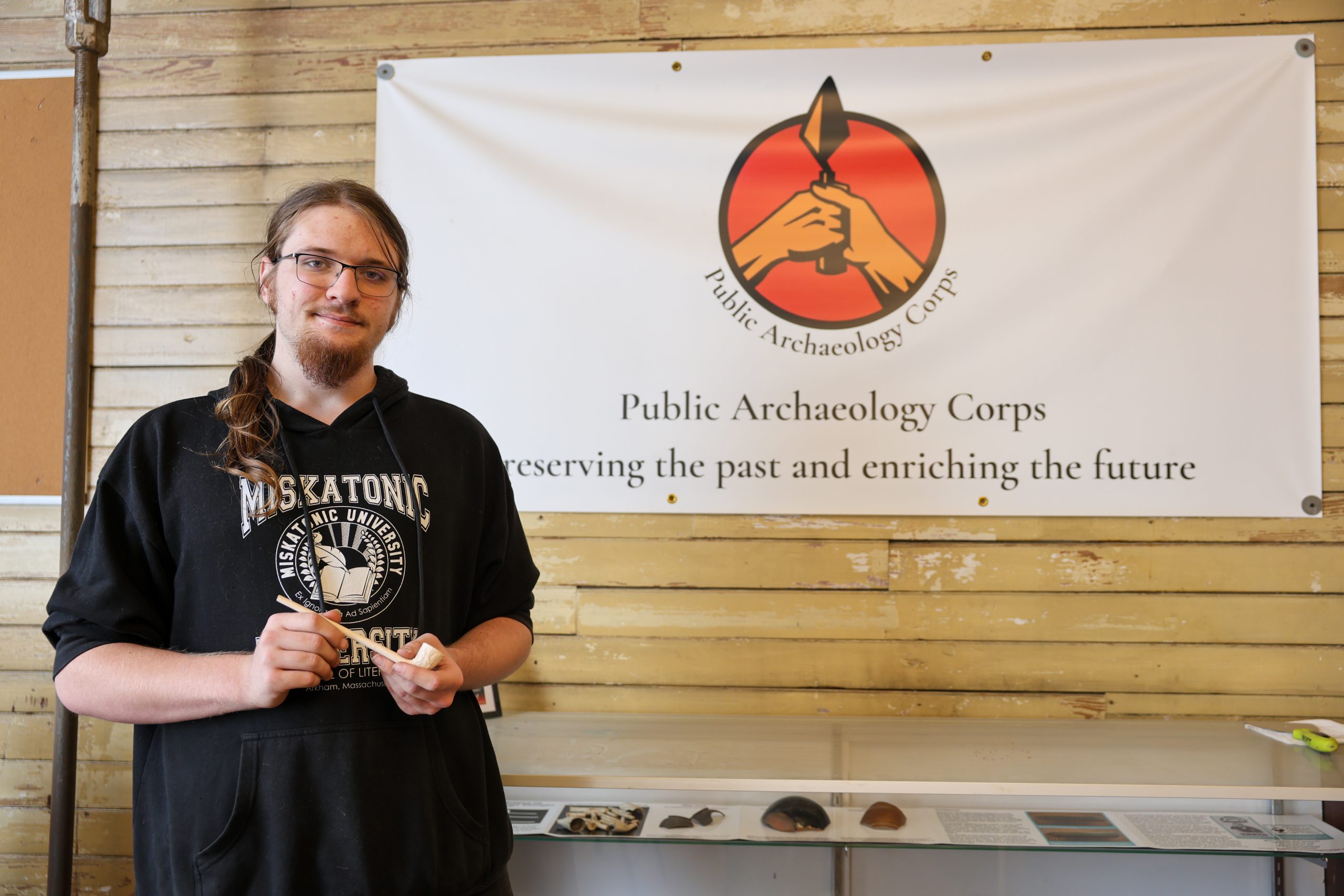
Among the volunteers guiding students was Alex Clupper, who got his start at Cape Fear Community College.
“I first heard about Public Archaeology Corps through Professor Satzman’s anthropology class,” he said. “I started showing up around 2023, and that’s when I really got involved.”
“I’ve been interested in archaeology since I was about six,” he said. “I went to Jamestown while they were doing a dig, and that was it for me.”
Still, he didn’t know how to enter the field until CFCC’s anthropology courses helped him map out a path. He later transferred to UNCW, where he’s finishing his degree in anthropology with a concentration in archaeology, and he now helps oversee the Corps’ internship program.
A Lifelong Interest in the Past
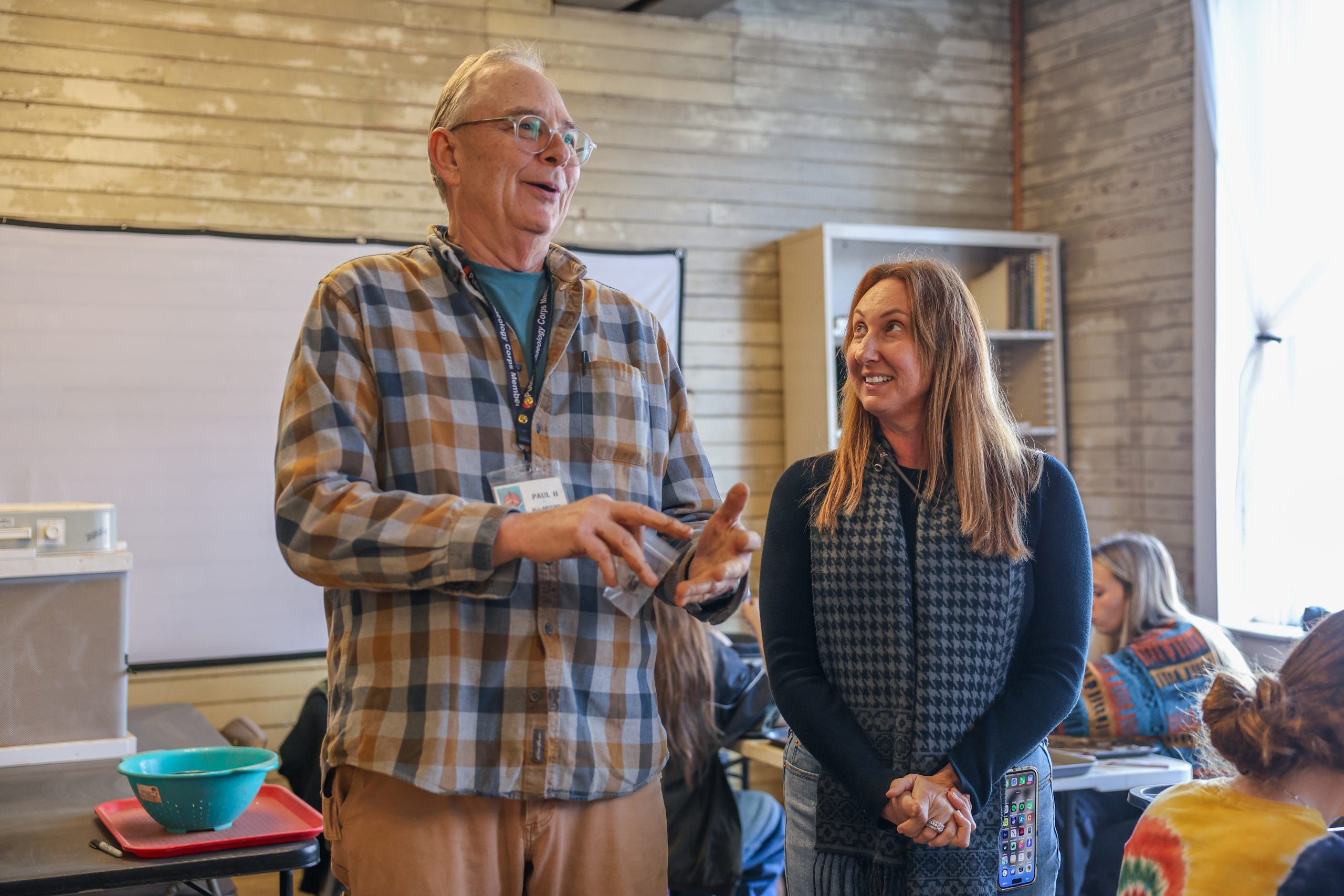
In another corner of the room, volunteer Paul Hepp walked students through cleaning and sorting their finds. Hepp retired from UNC Hospital Security in Charlottesville before moving to Wilmington, but his interest in the field dates back much earlier.
“I’ve done metal detecting since I was a teenager,” he said. “I’ve always liked being around old sites.”
He now splits his time between the dig site and the lab. “People get excited when they see what we’re doing. We are grateful to the landowner who provided us with this space and the dig site. We always knew it wouldn’t last forever, and now we’re preparing for the next chapter.”
Preparing for the Next Chapter
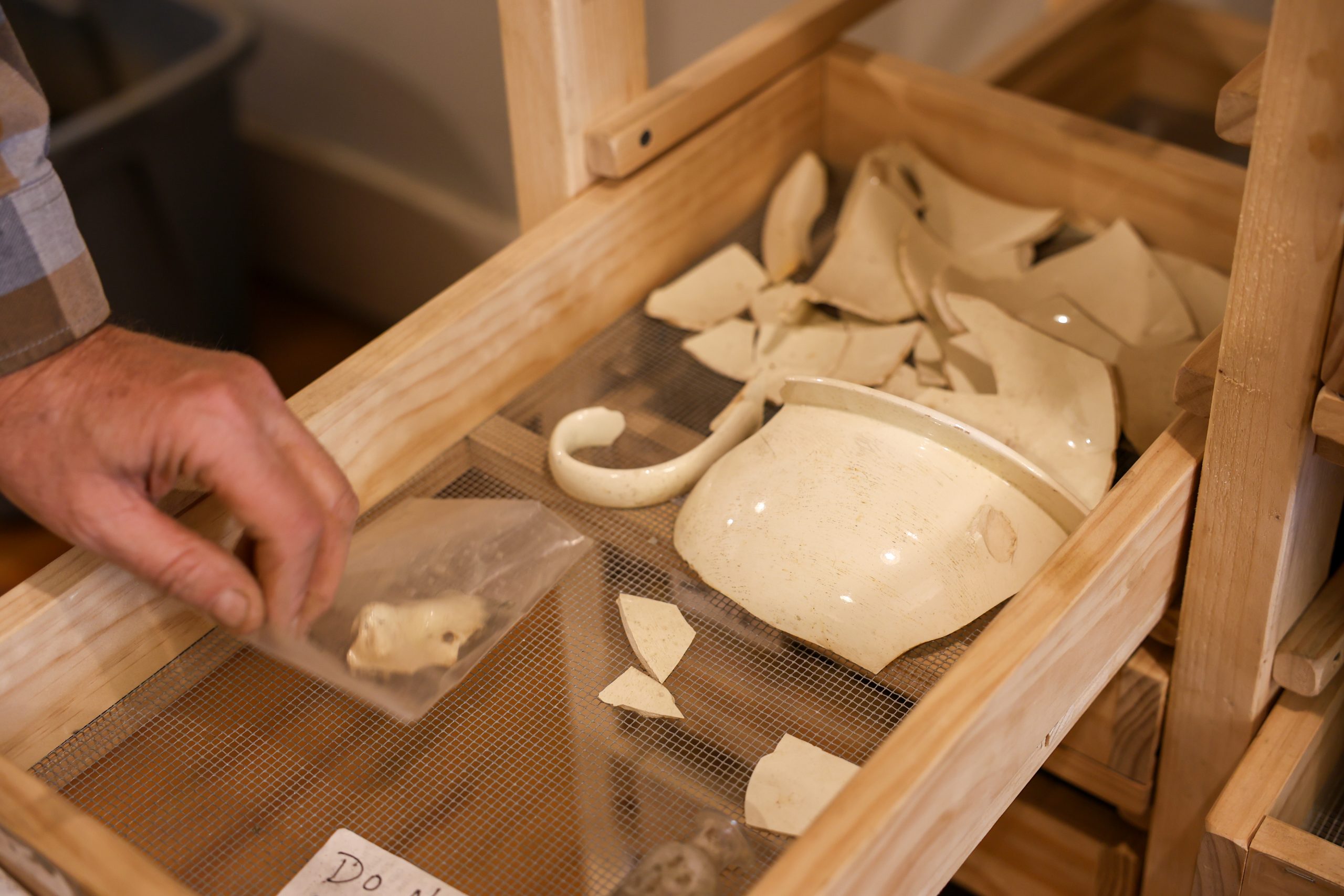
The fragments of a chamber pot excavated in Quince Alley by the Public Archaeology Corps.
For CFCC students, the timing was perfect.
“Being in the lab and touching history with their own hands, they experience learning in a tangible way,” said Professor Satzman. “It doesn’t just teach them about the past, it reshapes how they see themselves in relation to the future.”