
The Story of Wilmington Coffee Passport
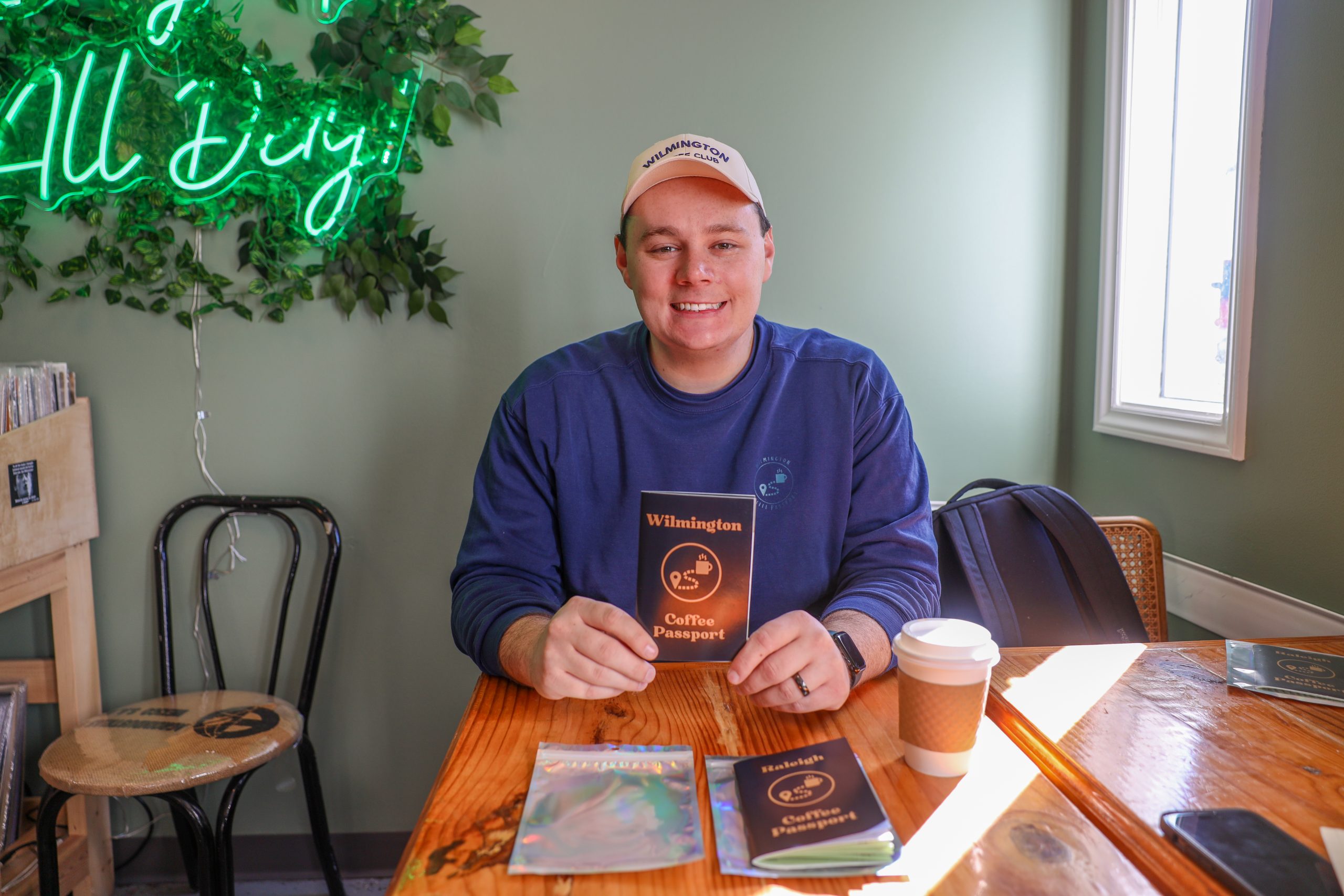
Wilmington Coffee Passport started as a simple way to get to know a new city. Today, it’s a growing small business connecting people to more than 30 local coffee shops and has already sold over 1,500 passports. For founder William Rysanek, turning the idea into something real meant figuring things out as he went, with support from Cape Fear Community College’s Small Business Center along the way.
William and his wife had been living in Chicago, where he worked in corporate strategy and finance consulting. But the work wasn’t sticking, and with family in North Carolina, the move felt like the right next step. His wife had one request, somewhere near the water, so they landed in Wilmington and decided to figure the rest out as they went.
“I did things in like, fully the wrong way,” William chuckled. “I quit my job and was like, I don’t know what I’m going to do, but I know we want to move.”
Discovering Coffee in a New City
A few days after arriving, still settling into their new place, they looked for something simple to do.
“We didn’t know anyone. We’d never really been here,” William shared. “So we just looked up coffee near me, and over a dozen options popped up.”
That search turned into a routine. One shop led to another as they made their way through downtown, trying different places and keeping track of their favorites.
“We both love coffee, so we were like, all right, let’s keep track,” William said. “And then it kind of turned into, what if we made it a game?”
That idea became the foundation for Wilmington Coffee Passport, a printed guide that encourages people to visit local coffee shops, collect stamps, and explore the city more interactively.
For visitors, it doubles as a souvenir. For locals, it’s a reason to try somewhere new. And for small businesses, it brings in new customers.
Testing the Idea
Before fully building it out, William wanted to make sure the idea actually had legs. He worked with JC Print, a local printer, to create a rough prototype and began walking into downtown retail shops to gather feedback.
“Most of them were kind of like, yeah, I don’t really get it,” he said. “No one was mean about it. They were just like, ‘We sell finished products.'”
A few shops, including The Homebody Collective and The Black Cat Shoppe, saw potential and encouraged him to keep going.
“If every shop said no, this might not have happened at all,” William shared.
The First Yes
With a little validation in place, he shifted his focus to the coffee shops themselves.
“Emailing was not really getting me anywhere,” he said. “You just have to go meet the owner and talk to them.”
Brooklyn Cafe was the first to say yes.
“That one has a special place in my heart,” he said. “The owner is just a delight.”
Support from CFCC’s Small Business Center
Around that same time, William connected with Cape Fear Community College’s Small Business Center.
He first found the center through an introductory bookkeeping class. Even with a background in finance, he said the class helped him understand how actually to apply those skills to a new business.
During the workshop, he learned he could meet one-on-one with CFCC’s Small Business Center Director, Jerry Coleman, for free, so he scheduled a session before officially launching.
“I basically said, ‘I have this idea. I don’t know if it’s going to go anywhere,'” William shared. “And Jerry helped me think through things like pricing, how to sell it, what I should focus on.”
Instead of trying to tackle everything at once, those conversations helped him narrow in on what mattered most.
“It was a million questions,” he said. “And it was really helpful to have someone say, these are the five most important things you should focus on right now.”
One piece of advice from Jerry stuck with him as he worked to grow the business.
“There’s no real silver bullet,” he said. “You just have to go put boots on the ground.”
Over the past year, William has continued meeting with the Small Business Center, often returning with a new set of questions.
Launch and Growth
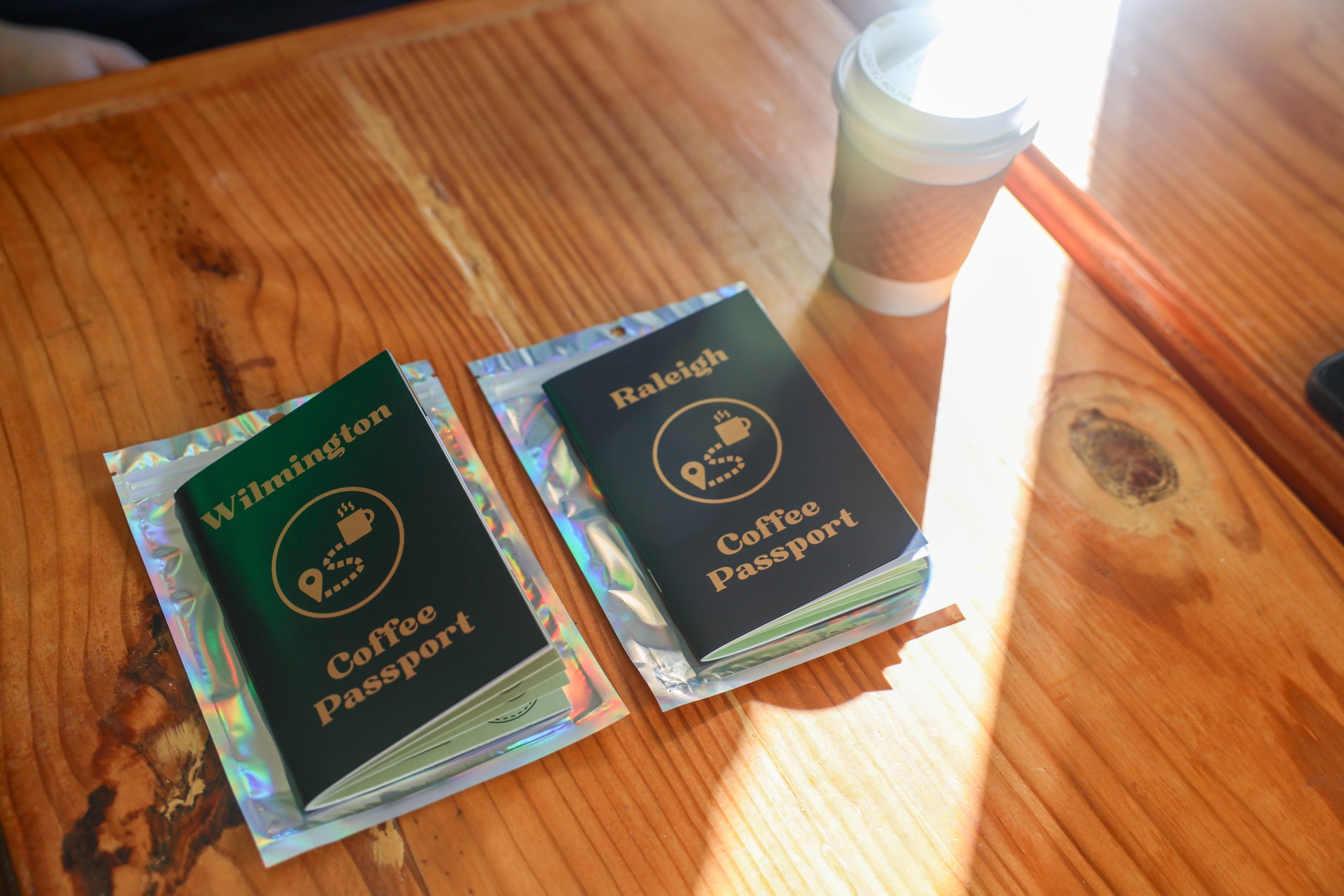
Wilmington Coffee Passport officially launched this past summer, just a couple of months after he started working on the idea. Since then, it’s grown quickly, now featuring 34 local coffee shops.
“When new shops open now, they reach out to us,” he said.
He’s now expanding into Raleigh with a slightly different model and is looking ahead to future cities, with Durham coming soon. Back in Wilmington, he’s planning a second version of the passport that could include even more locations, potentially expanding out toward the beaches.
“There are so many free resources for small businesses,” William said. “The Small Business Center, the classes, the mentors, people who’ve done this before you. Start with the idea, test it early, and don’t try to figure it all out alone.”
Small Business Center
The Small Business Center at CFCC provides free and confidential counseling to people who are exploring the opportunity to open their own business. We also provide counseling and advice to existing small businesses at their request.
In addition, we offer annually 80+ free seminars on many varied business topics targeted towards potential or existing entrepreneurs.
Online Request for Counseling