
EMT & Paramedic Certification Programs
Master the life-saving skills required to join the front lines of emergency medicine.
CFCC transforms high-intensity classroom instruction into field-ready expertise, ensuring you meet the rigorous standards required for North Carolina state certification.
If you are a high school graduate or an adult looking for a new career, the EMT-Basic is your required first step.
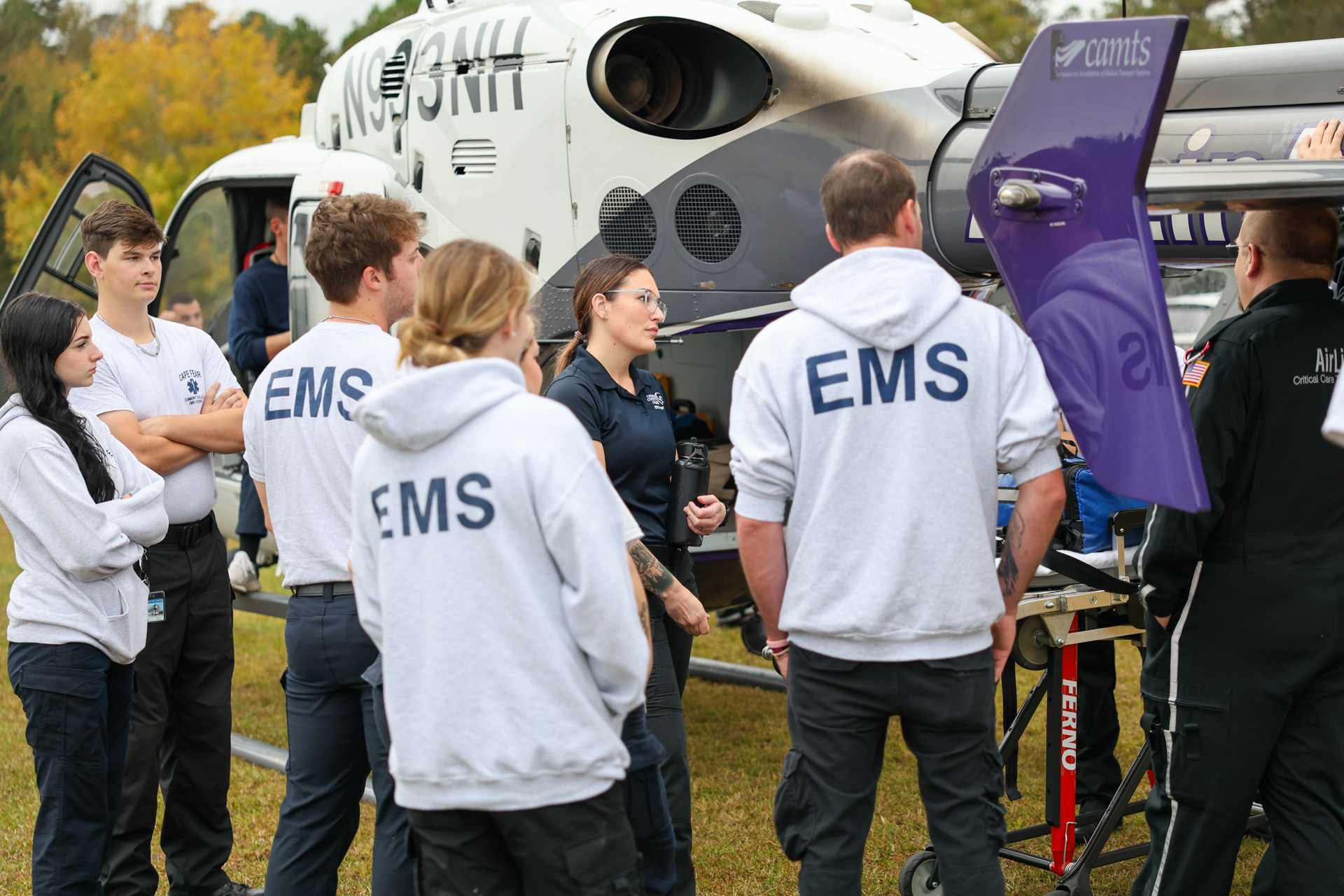
EMT-Basic
The essential foundation for every EMS career. This intensive program equips you with the life-saving skills required for pre-hospital emergency care in a single semester.
- Outcome: Eligible for NC State and National Registry EMT Certification.
- Eligibility: Open to all high school graduates and adult learners (18+).
- Career Impact: Immediate employment eligibility for county EMS, fire departments, and private transport.
EMT Basic Upcoming Courses:
-
Paramedic Flip/Flop Tuesday Start
January 5, 2027 8:00 am - 5:00 pm
Both EMT Basic to Paramedic and AEMT to Paramedic start this day.
-
EMT-Basic Night Class Start
January 11, 2027 6:00 pm - 10:00 pm
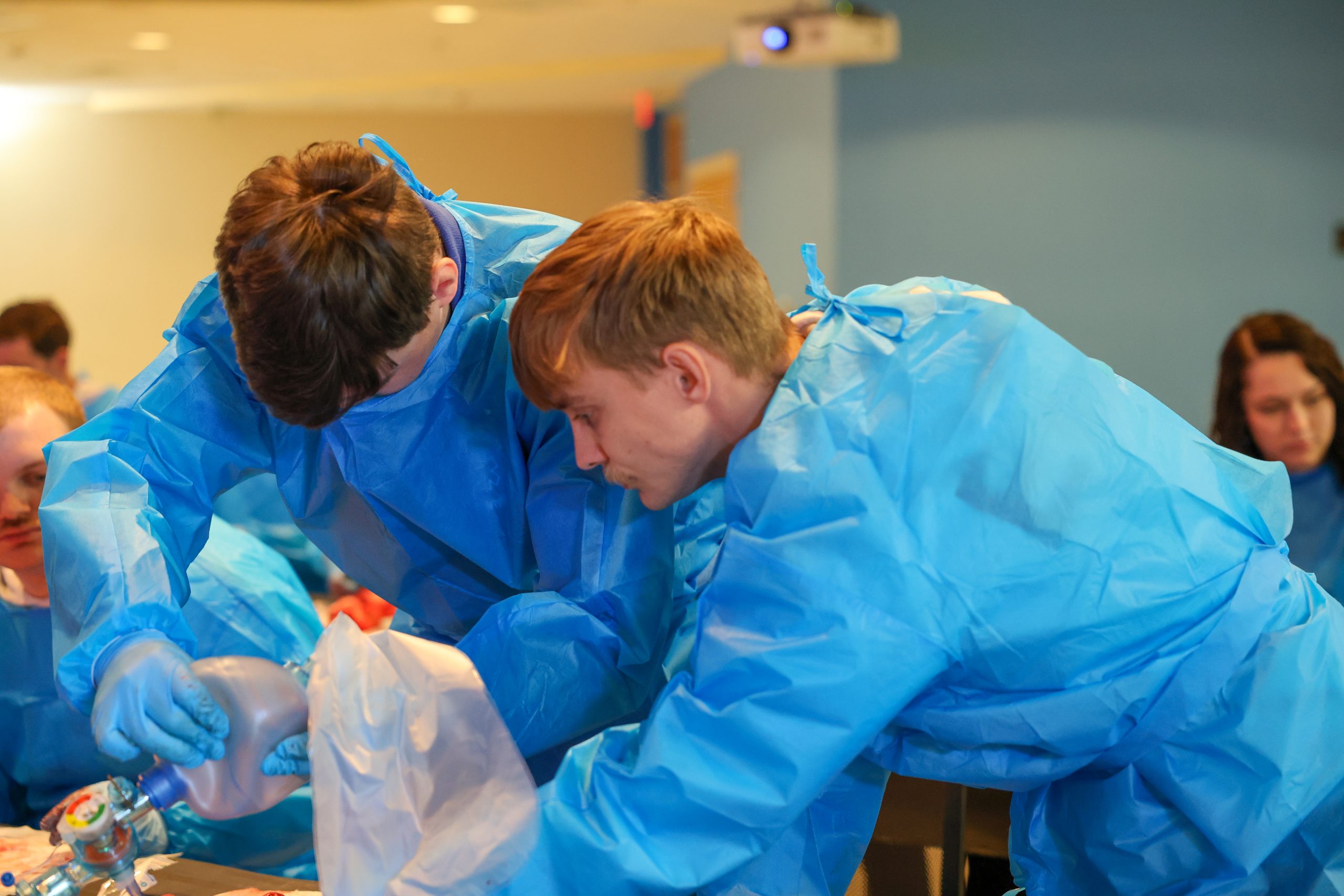
Advanced EMT (AEMT)
Advance your clinical capabilities. This track introduces sophisticated interventions, including IV therapy and pharmacological mastery, to increase your patient-care impact.
- Outcome: Advanced life-support (ALS) credentialing.
- Requirement: Must hold a current North Carolina EMT certification.
- Career Impact: Qualification for higher-tier clinical roles and increased field responsibility.
AEMT Basic Upcoming Courses:
-
Paramedic Flip/Flop Tuesday Start
January 5, 2027 8:00 am - 5:00 pm
Both EMT Basic to Paramedic and AEMT to Paramedic start this day.
-
AEMT Flip/Flop Tuesday Start
January 5, 2027 8:00 am - 5:00 pm
-
AEMT Night Class Start
January 5, 2027 6:00 pm - 10:00 pm
This class meets Tuesday AND Thursday each week
-
AEMT Flip/Flop Thursday Start
January 7, 2027 8:00 am - 5:00 pm
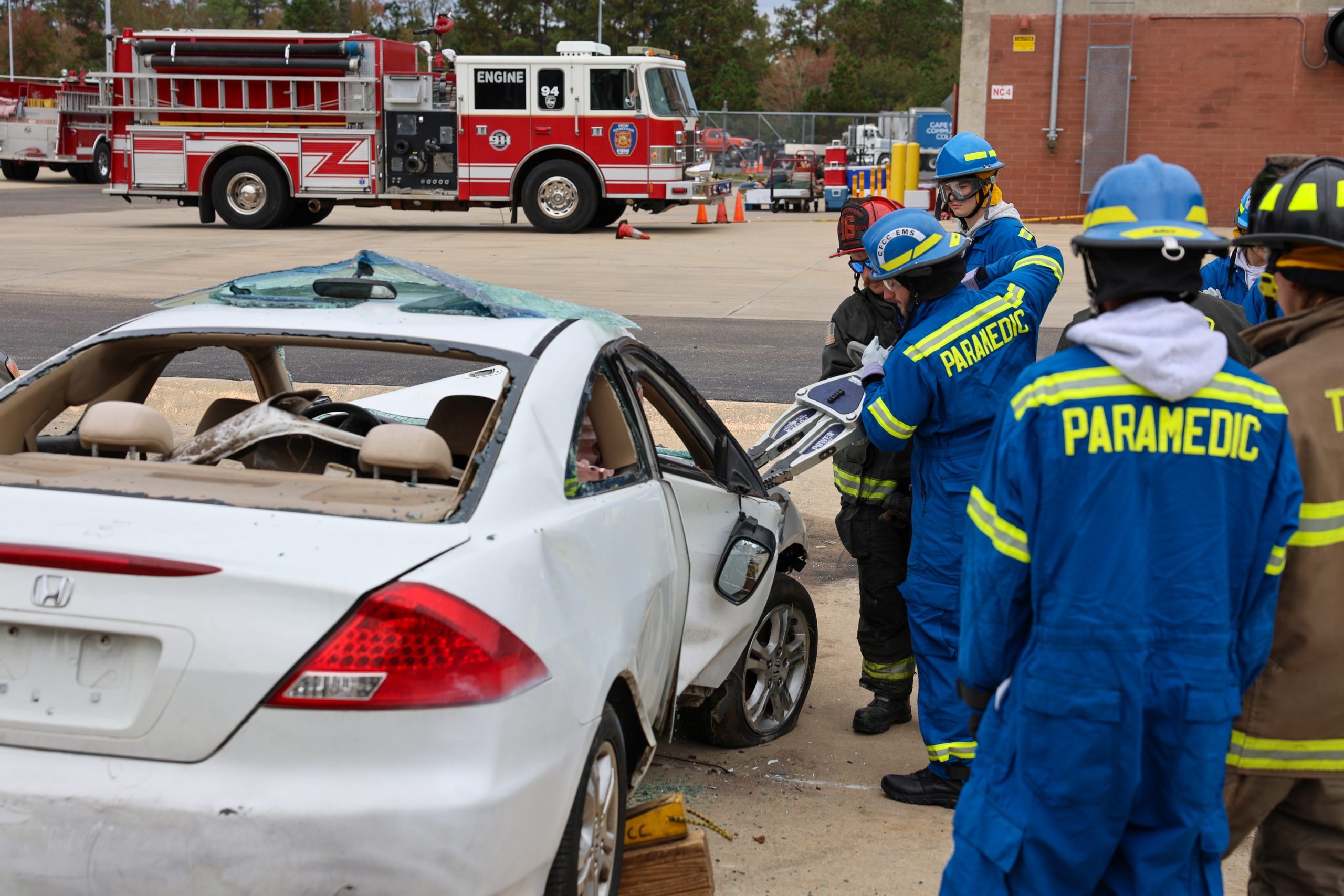
Paramedic
The highest level of pre-hospital clinical mastery. This year-long intensive program is engineered for professional career-seekers, focusing on complex cardiology and advanced airway management.
- Outcome: Professional Paramedic status and NC State credentialing.
- Requirement: Current NC EMT certification and successful completion of prerequisites.
- Career Impact: Leadership-ready status for 911 -response agencies and flight medic programs.
Paramedic Registration Resources
Paramedic Upcoming Courses:
-
Paramedic Flip/Flop Tuesday Start
January 5, 2027 8:00 am - 5:00 pm
Both EMT Basic to Paramedic and AEMT to Paramedic start this day.
-
Paramedic Flip/Flop Thursday Start
January 7, 2027 8:00 am - 5:00 pm
Course Technical & Physical Requirements
- Students must be at least 18 years old, have a high school diploma / GED, and a valid driver’s license.
- EMTs are required to read and write on an 11th grade level, and Paramedics on a 12th grade level.
- Students must be able to lift, carry, and balance up to 125 pounds (250 lbs evenly distributed).
- This includes bending, kneeling, and crawling in uncontrolled environments to reach patients.
- Students must have the ability to read and understand written protocols, analyze data, and perform fast, accurate decisions under stress.
- Students must successfully complete a background check, drug screening, and have up-to-date immunizations (Hep B, TB, Tdap, MMR, Varicella) prior to the start of class.
- Students in the Basic EMT course are required to complete a minimum of 240 hours, including clinicals of coursework.
- Students in the Advanced EMT course are required to complete a minimum of 306 hours, including clinicals of coursework.
- Students in the Paramedic course are required to complete a minimum of 1,100 hours, including clinicals of coursework.
- Pass with 100 % proficiency psycomotor compentency assessments.
The CFCC Workforce Edge: Advanced Clinical Training
- High-Fidelity Simulation: Train in state-of-the-art labs featuring full-scale ambulance simulators and high-fidelity manikins designed to react to life-saving interventions in real-time.
- Premier Clinical Access: Gain live field experience through high-volume rotations with New Hanover, Pender, and Brunswick County EMS agencies.
- Elite Instruction: Learn directly from veteran flight paramedics and critical care clinicians who bring decades of active field experience into the classroom.
- Regulatory Mastery: Our curricula are strictly engineered to meet and exceed the North Carolina Office of EMS (NCOEMS) and National Registry standards.
- Direct Recruitment Pipeline: Benefit from CFCC’s deep industry ties; local emergency departments and EMS agencies prioritize our graduates for immediate placement.
- Scalable Mastery: From entry-level stabilization to advanced pharmacological intervention, our equipment and training protocols mirror the exact technology used by regional first responders.
WIOA Scholarships
Call or visit your local NCWorks Career Center today to learn if you qualify for WIOA sponsorship! Eligibility factors apply. Ask to speak to a WIOA Title I Specialist. Learn more on the Financial Assistance page.