
Katie Underwood’s Marine Technology Story
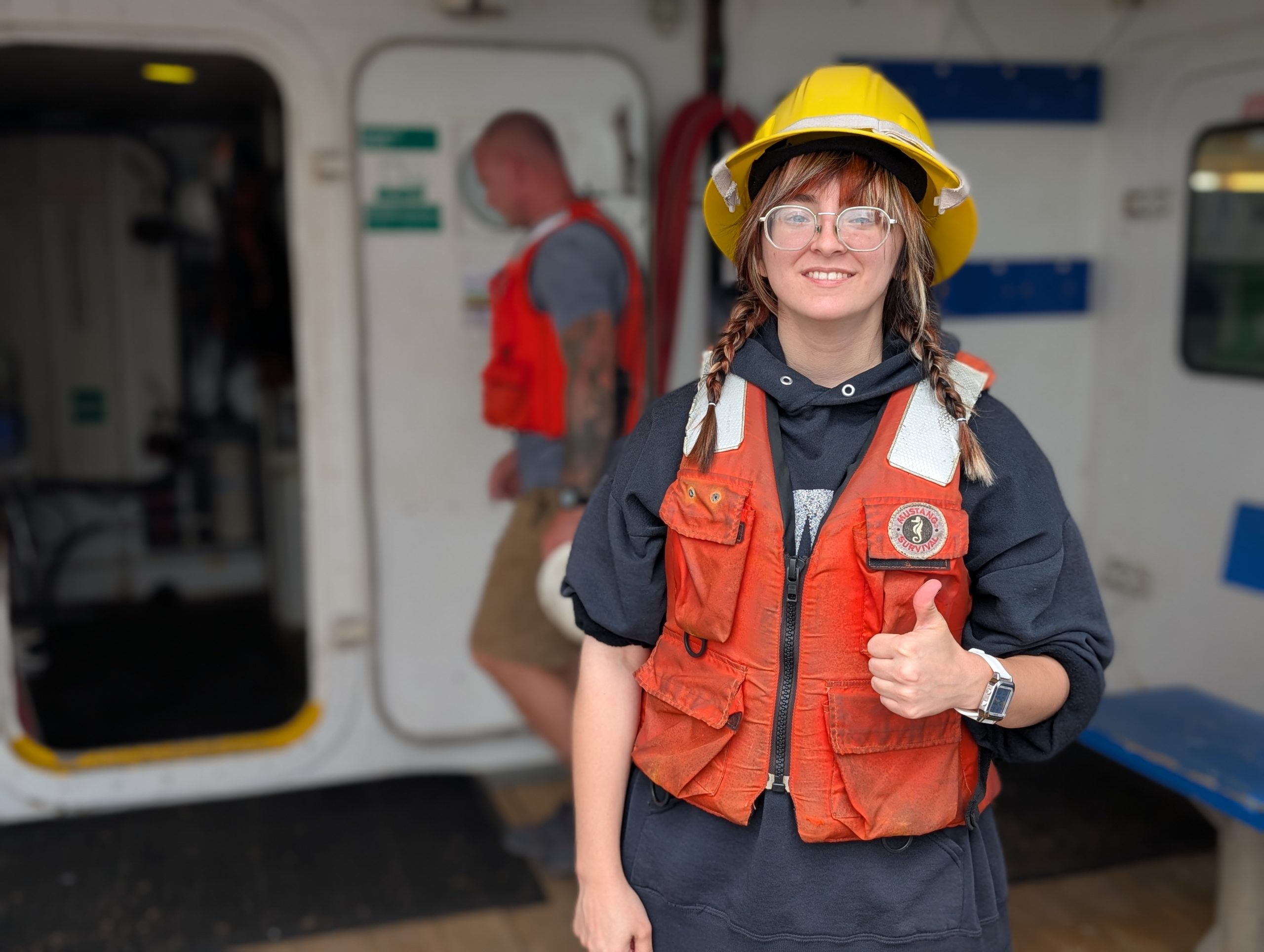
In the summer of 2025, Katie Underwood and her parents loaded up a U-Haul and drove from Texas to Wilmington, North Carolina. Katie was getting ready to begin a new chapter of her life in Cape Fear Community College’s Marine Technology program.
“I didn’t know anybody here,” she said. “I had never even been to North Carolina before moving here.”
Katie comes from a close-knit family. Leaving them was not a small decision.
“It’s definitely been a new experience for me,” she said. “My family is all very close, so not having them here has been an adjustment.”
Once they drove away, Katie was on her own in a brand-new state, chasing a career she had only recently discovered.
At the same time, the independence surprised her. “It felt very freeing,” she said.
On the first day she moved into her apartment, Katie met a maintenance worker whose son had graduated from CFCC’s Marine Technology program.
“It felt like reassurance at the right moment,” she said.
Looking for Something Permanent
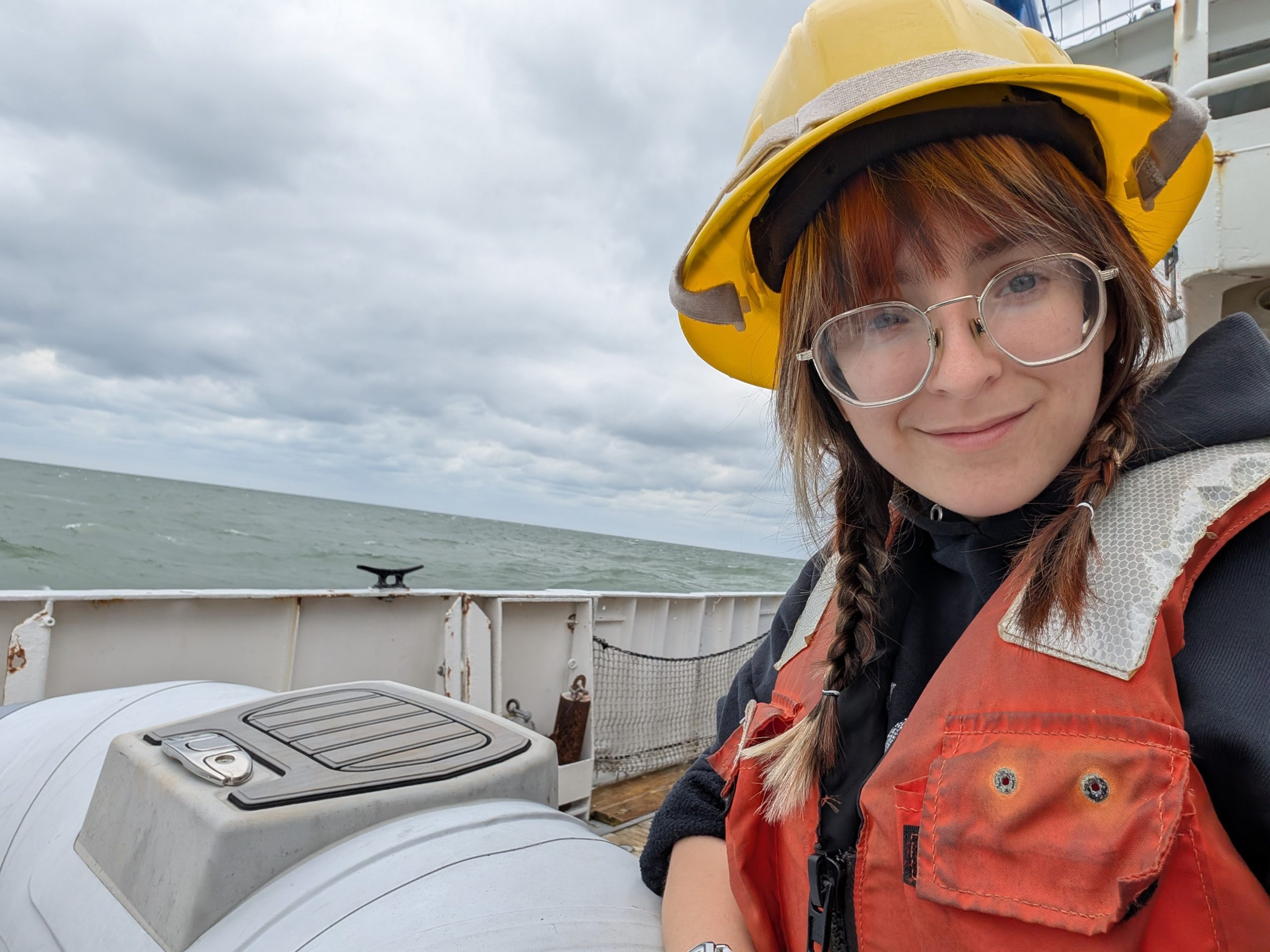
Back in Texas, Katie had been searching for direction. She worked a variety of jobs, but none of them felt permanent.
“I was just dying to find something that would be like a real career,” she said. “I felt like I was just kind of going nowhere.”
Her family knew she wanted more. They supported her as she explored different options and listened when the offshore industry started to catch her attention.
The idea came through her brother, who landed a job with DOF Subsea operating remotely operated vehicles, or ROVs. A high school friend also worked for the company. Through those connections, Katie spoke with the hiring manager for DOF’s hydrographic survey team.
The message was straightforward. If she wanted to be considered, she would need formal training.
“He told me, ‘If you get this degree, I’ll consider hiring you,'” she said.
DOF already had a graduate from CFCC’s Marine Technology program working on their team. That graduate walked Katie through the courses she would need and the pathway.
Katie did not hesitate. She enrolled immediately, even before she had housing lined up.
“I don’t like to say I have a job guaranteed,” she said. “But I like to say I have a pretty good chance.”
Hydrographic survey work involves mapping and analyzing the seafloor for offshore operations. It can mean spending a month at sea followed by a month off. It can mean traveling across the country or internationally.
The more Katie learned, the more certain she became.
“I was like, I’m going to make this my passion,” she said. “And I really like everything I’m learning.”
Learning by Doing
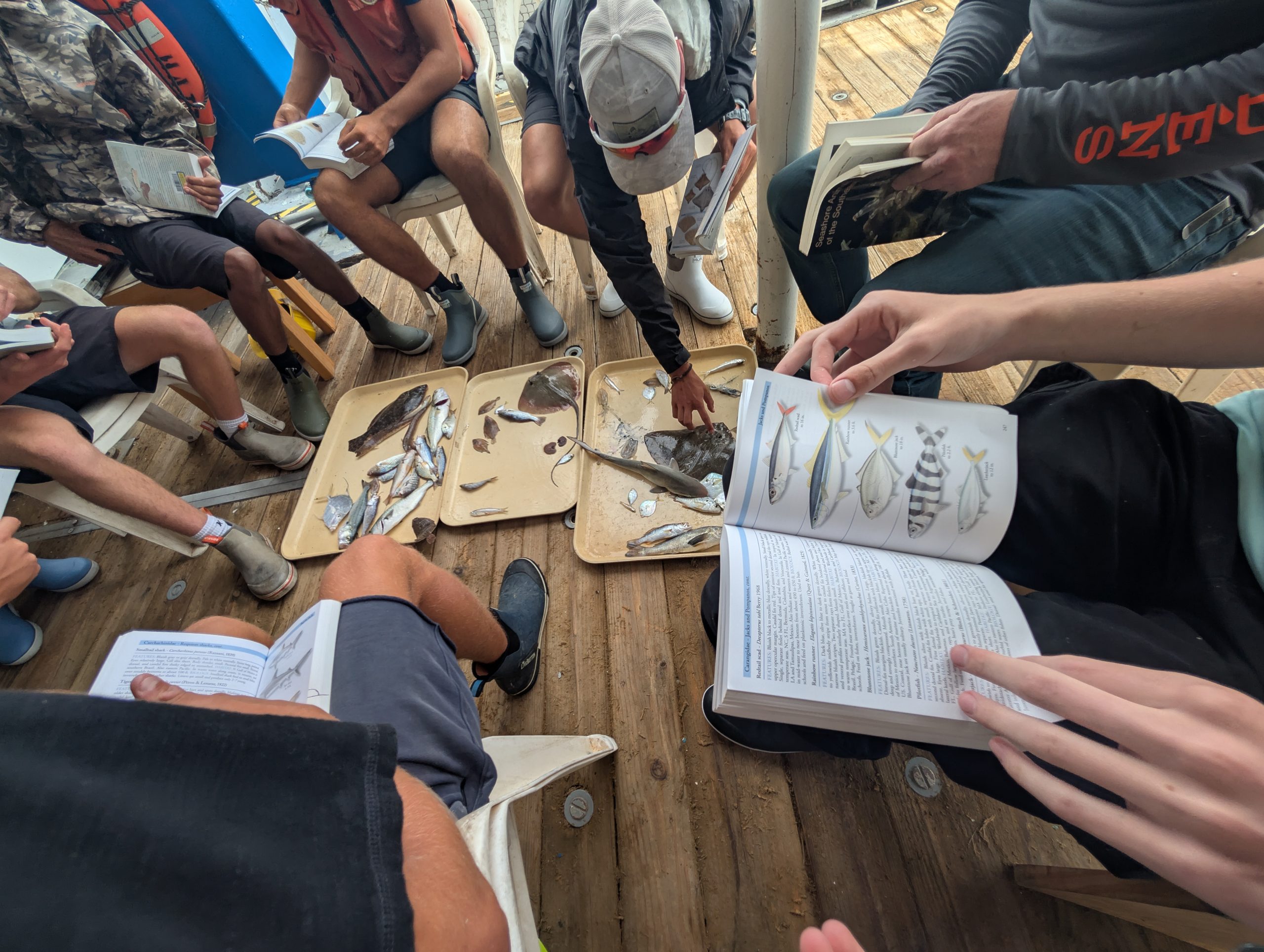
CFCC’s Marine Technology program is built around applied learning. Students spend significant time in the field and on the water, practicing the skills they will use in the industry.
In her first semester alone, Katie learned how to tie a wide range of knots, mend nets, operate boats, and identify marine invertebrates in local ecosystems.
“We go out in the field,” she said. “We go to the beach. We travel around. You’re not just sitting in a classroom.”
One of the defining parts of the program is its cruises. Each semester, students spend extended time aboard a vessel. Katie has already completed a multi-day cruise.
During that time, students practiced dredging and trawling, deploying equipment to collect samples from both the water column and the seafloor.
“It was so educational and really gives you an idea of what your work is going to be like,” she said.
The experience mirrors real-world conditions. Long hours. Physical work. Life on a boat. For students considering offshore careers, it provides a clear picture of what the job demands.
A Clear Direction
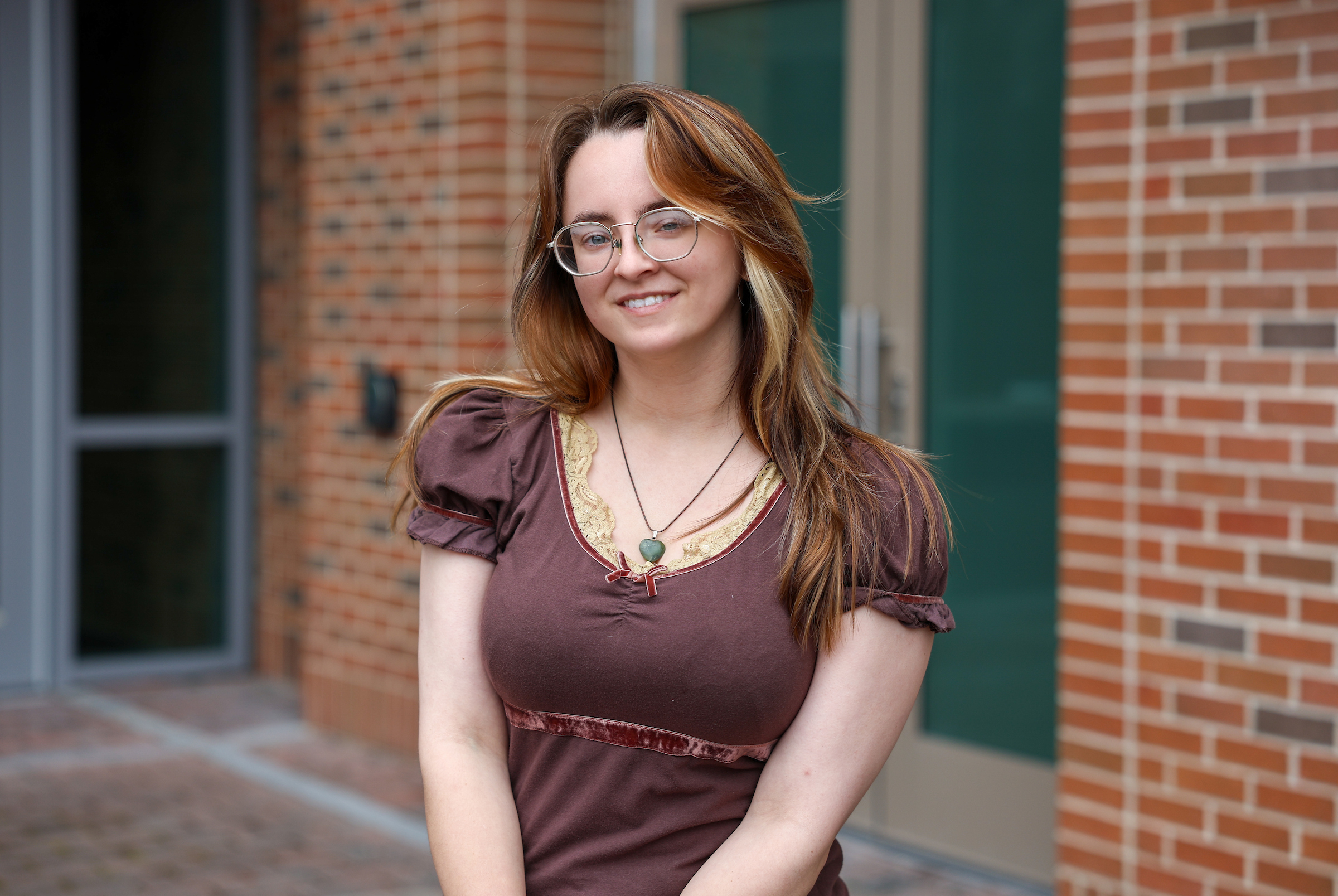
Katie is expected to graduate next spring and hopes to have a job lined up before then. She is also considering completing CFCC’s captain’s license course after earning her degree.
What stands out to her now is not just the career path ahead, but the range of options the program has opened up. A year ago, she felt like she was drifting between jobs without a clear future. Now she is preparing for a career that could take her around the world.
“The great thing about the program is that if you decide you don’t like something, you have tons of other opportunities,” she said. “It’s nice having all these options that I didn’t have before.”
To learn more about CFCC’s Marine Technology program, visit cfcc.edu/marine-technology.